
 Skip to main content
28 years of experience as a Criminal Defense Lawyer Allentown, PA. Strong background in family law issues, especially Protection-from-Abuse (PFA) cases. Practicing in Lehigh and Northampton County, and in federal court.

28 years experience in criminal defense. Strong background in family law issues, especially Protection-from-Abuse (PFA) cases. Practicing in Lehigh and Northampton County, and in federal court.
Top 10 Criminal Defense Attorney in PA award from the National Academy of Criminal Defense Attorneys
28 years of experience as Criminal Defense Lawyer Allentown with a strong background in family law issues. Trained and employed by the former President Judge of Lehigh County.
Formerly employed as a caseworker for Lehigh County Children & Youth, 116 jury trials in state and federal courts, a long list of winning trial verdicts, and the list goes on.
Serving Lehigh County and Northampton County, plus federal court.
My main office is located in Allentown (Lehigh County). The focus of my legal practice is almost exclusively on Criminal Defense Lawyer Allentown, and legal issues related to Criminal Defense Lawyer Allentown, including Immigration, Children & Youth matters, and Protection from Abuse (PFA). I am a solo practitioner and when you call me, you won’t have to go through multiple people to get to talk to me.
I am very prompt in returning phone calls (unless I am in trial, when my focus is solely on the client whose life is on the line), and you’ll find that I respond back to clients even on evenings, weekends and holidays. That’s a big issue that many people have with the attorney they hire—that the lawyer is not accessible and doesn’t keep in regular communication.
Please note that I also keep a paralegal, private investigator, and translators (in Spanish and Arabic) available to me if needed. I speak Spanish and French myself.
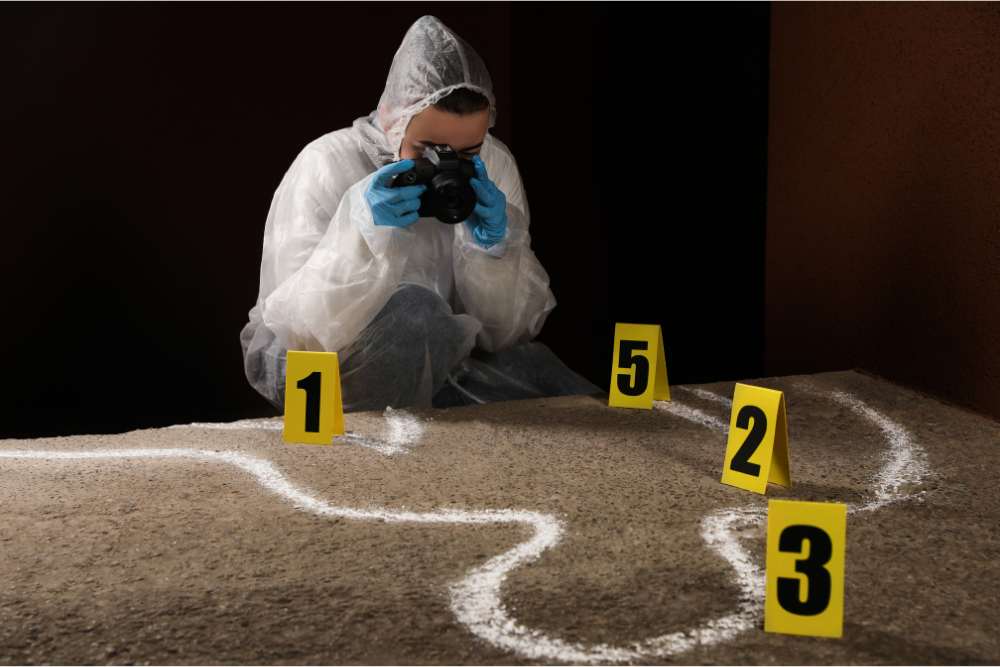
Homicide and Attempted Homicide are arguably the most serious charges in Pennsylvania. Get a general breakdown.
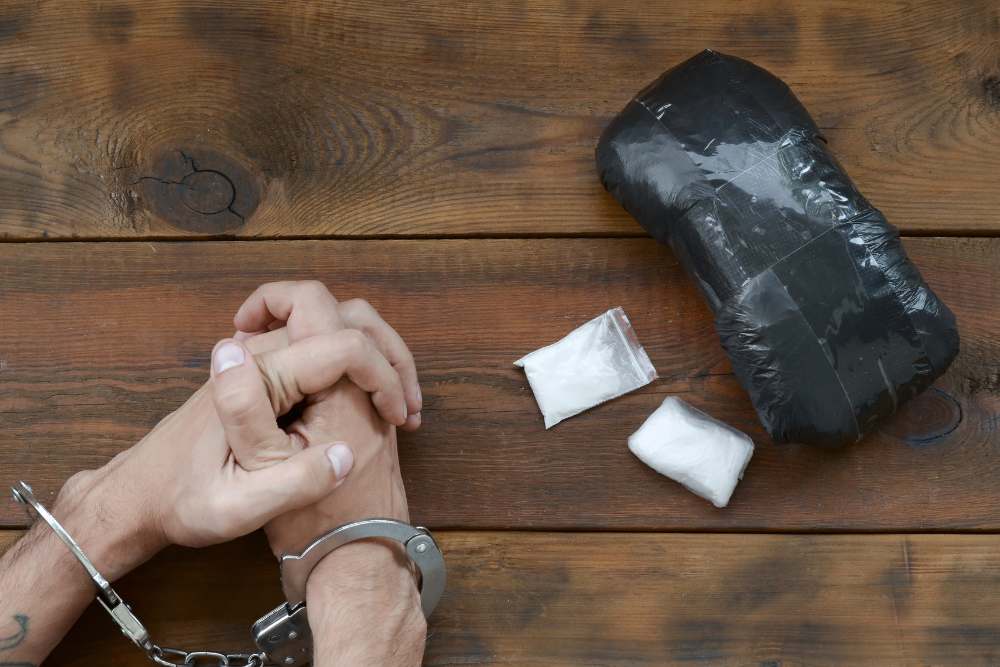
From felonies to misdemeanors, skilled legal counsel is crucial to challenging evidence and police procedures in drug cases.

Sex offenses involve serious legal consequences, including long-term incarceration and Megan’s Law registration. Early attorney intervention and expertise are crucial.

Robbery, burglary, forgery, and theft crimes carry severe penalties, requiring experienced legal representation for defense.

Need a Protection from Abuse (PFA) order or facing PFA violation? Get legal guidance on obtaining or defending against PFA orders in Pennsylvania. Contact me for swift and effective representation.
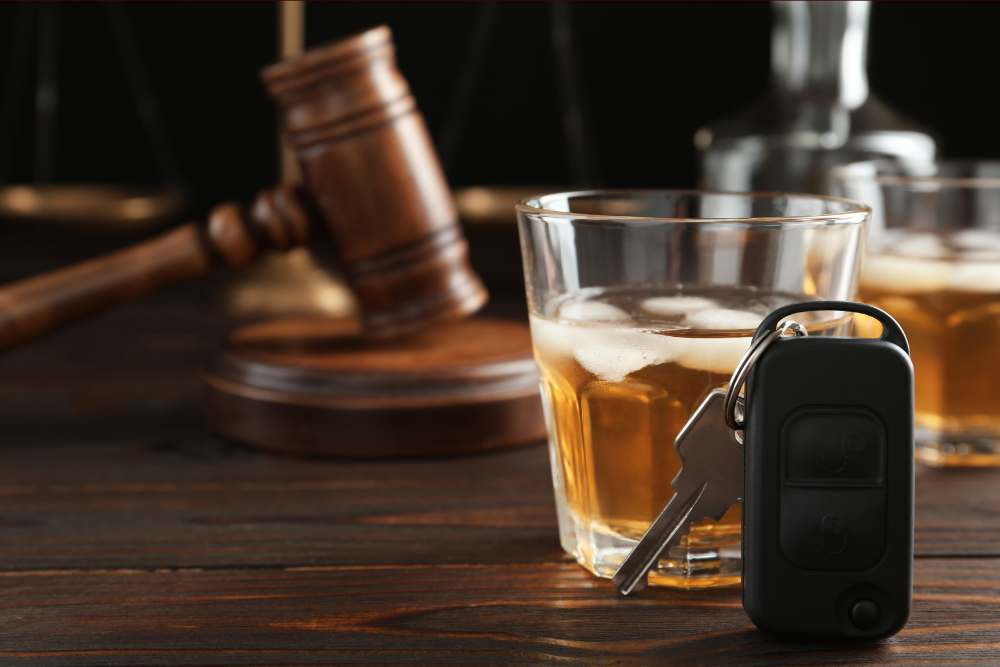
I teach legal education courses to lawyers and occasionally judges on current DUI law updates. DUI cases are resolved very differently in each county. Even though all DUI cases are prosecuted under Pa DUI laws, each county has its own policies. It’s important to have a LOCAL DUI Lawyer who knows things like how your magistrate will set your bail, what the judge does with particular DUI cases on the blood alcohol level of the DUI, and how the district attorney handles DUI cases that involve street drugs or prescription medications rather than alcohol. These are just a few examples of the numerous ways that counties differ from each other in how DUI cases play out in their own DUI courts.
I see many people who are charged with a first DUI or second offense DUI and believe that they don’t need a DUI Lawyer and end up confused about the entire process and wondering if they could have raised certain defenses or gotten a better deal. DUI laws and procedures have gotten much more complicated through the years and the consequences to your driver license and professional licensing and other issues, along with a criminal record means almost everyone nowadays should get a DUI Attorney if they have a DUI case.
So if you get a DUI in Lehigh or Northampton County, then call me and I will try to walk you through it. My office is in downtown Allentown right next to the courthouse.
Read my latest blog posts on DUI charges in Pennsylvania, criminal defense, and more.
(IN MY LOCAL AREA) One of the first questions people ask themselves when they get a DUI charge is “Should I get …
There are 3 types of chemical tests that police use to determine intoxication level: blood, breath, and urine. In Pennsylvania, police …
It is very rare to be pulled over by police for a DUI. When someone is pulled over for a suspected DUI, …
If you are charged with a crime in the Lehigh Valley, then you need to get a criminal defense attorney. The …
IS A SOBRIETY CHECKPOINT LEGAL? The U.S. Supreme Court ruled in 1990 that sobriety checkpoints are constitutional and are not …
What is a drunk driving case or DUI? In Pennsylvania, it is illegal for drivers 21 years of age …
One of the biggest concerns of a person facing criminal charges is whether to seek legal assistance and whether the lawyer …
Driving under the influence (DUI) is a criminal charge in Pennsylvania. It can—sometimes, but not always—lead to incarceration. If you’ve ever …
Kathryn Roberts put me at ease and explained everything to me. She worked hard to help me and went above and beyond anything I expected. If you are looking for an attorney, look...
Mrs. Roberts asked us to write her a review after she just won my son's trial with the jury. It went on for 3 days but she and my son spent 9 months preparing for the trial. I won't state my son's name (just the 1st name Joshua) so...
We hired Kate Roberts from a recomendation of my husband's boss. Our son goes to Muhlenberg College and got a DUI last year during Covid. It was based on a very tiny...










In Pennsylvania, most DUI offenses are misdemeanors, but become a felony under certain circumstances, based upon the number of prior DUIs the person had, and the type of DUI offense charged presently. The most common one is the person has 2 prior convictions for DUI based on alcohol in the highest tier or controlled substance and now has a 3rd offense, in which case it’s a 3rd-degree felony. A person with a 3rd-degree felony DUI faces up to 7 years in prison. A new higher felony (2nd degree) was added in 2022 that applies to a person with 3 prior DUI convictions. A person with a 2nd-degree felony DUI faces up to 10 years in prison. The facts and details of the current and prior offenses dictate whether it becomes a felony.
No, you are not required to get a lawyer. You can always represent yourself. Whether you are granted ARD depends on what county you are charged in. ARD is offered at the discretion of the District Attorney. No judge can tell the District Attorney to offer it, and the police can not control who gets ARD. However, the District Attorney relies heavily sometimes on the opinion of the police. ARD is usually a huge benefit for most people because it guarantees that the person remains out of prison, is placed on light probation supervision, gets the case ultimately dismissed once ARD is completed, and then the whole matter can be expunged (wiped clean).
The district attorneys in different counties treat ARD differently. For example, in some counties, ARD is strictly one-time only. This means that if you got ARD for a DUI, you can’t get it separately for a drug possession charge in a new case. In other counties, you can get ARD for one minor criminal offense, and still get ARD again if you get a DUI case. And in other counties, you can get ARD for a DUI, and get ARD for another DUI if it happens more than 10 years later.
There are so many variables that the District Attorney considers when someone is applying for ARD, but they include things like the person’s overall criminal record—as a juvenile and as a adult in every jurisdiction, the nature of the current offense in terms of whether it was violent in nature and felony versus misdemeanor, whether weapons or threats were involved, whether people were actually hurt—physically, emotionally, or financially, whether restitution is owed and can repair the damage to the victim, the personal background of the person (i.e. education level, military service), whether the victim is a family member and the attitude of the victim, as well as many other factors.
I have had many cases in the past in which the District Attorney was originally not going to give ARD, but after I became involved, the District Attorney changed his or her mind. Sometimes that is simply a matter of bringing more things to light that were not known to the District Attorney or police in considering ARD. On other occasions, I have had District Attorneys offer ARD to my client as a compromise, because the client had no prior criminal record and really felt that he or she was not responsible for the current charge, but wanted to avoid the cost and risk of a trial.
So the answer is–no, you are never required to get a lawyer for any case. You have a constitutional right to represent yourself in any criminal case. Of course, that’s not a good idea, but people do try to do it. My basic advice on that is I ALWAYS recommend to anyone that has a criminal case—including traffic charges and citations for minor offenses—to get a lawyer who specializes in criminal defense. The family attorney who handled your will and a relative’s divorce is not the lawyer that would be handling criminal matters. Conversely, if someone contacts me because they have a complicated business contract, or a dispute with an insurance company, or a tax problem, I send them to colleagues who handle those matters because I wouldn’t be able to advise them properly.
If you are charged with an offense and you’d like to explore the possibility of ARD, get a lawyer right away because there are certain things you should be doing at the beginning of the case to put yourself in the best position for achieving ARD later in the case.
To discuss the possibility of ARD and other options in your case, call me to consult at 484-695-7023.
People sometimes ask me “can you get a DUI on a bike?” Usually they are asking out of
curiosity. The answer in Pa is, surprisingly, yes! A “vehicle” in Pa is defined as a device which
can transport a person. This means you can get a DUI on a boat, a bike, or even a skateboard or
scooter. Now, does that mean police go around looking to bust people for DUI on a bike?
Almost never. The most common place would be near high schools and colleges where younger
people might be using these items and be intoxicated. Just remember, police need to observe a
violation of the traffic laws to pull you over, even on a bike, unless they have probable cause to
know you’ve violated the law.
There are a few answers to this one. A DUI is a criminal case and you are fingerprinted for it so
it remains there if you are convicted (found guilty or plead guilty). If it is entirely dismissed, you
can seek to get the record of arrest and charges expunged. But you cannot expunge a conviction.
If you meet all the qualifications for ARD as a first offender and successfully complete ARD, it
can be expunged and in certain counties in Pa, will be automatically expunged. Sometimes law
enforcement can still know you had a prior DUI even after an expungement, especially because
DUIs usually cause license suspensions, so your driving record might still reflect something that
would suggest to police or the district attorney that there was a prior DUI case. This is a
complicated topic and best to discuss with your attorney.
There is no real difference. Some states use DWI, which stands for Driving while Intoxicated.
In Pa, we call it a DUI, which is Driving under the influence. It’s just a difference in words only.
But, the statutes governing DWI/DUI do differ from state to state. For example, many people in
New Jersey who have a 1 st DUI wind up with a fine and license suspension—with no jail,
probation or house arrest. In Pa, this is not possible for a 1 st DUI because in Pa, 1 st offenses are
either offered ARD, which is a first offender probation program, or people plead guilty and face
mandatory jail time with probation/parole following. (Of course, they have a right to challenge
the case as well). There are many other differences between states as well. So, don’t focus on
the DWI/DUI wording, but do focus on what the sentencing exposure is for the state where you
are charged.
 Optimized by Seraphinite Accelerator